
May Bulman: Biography, Career, Journalism, and Achievements
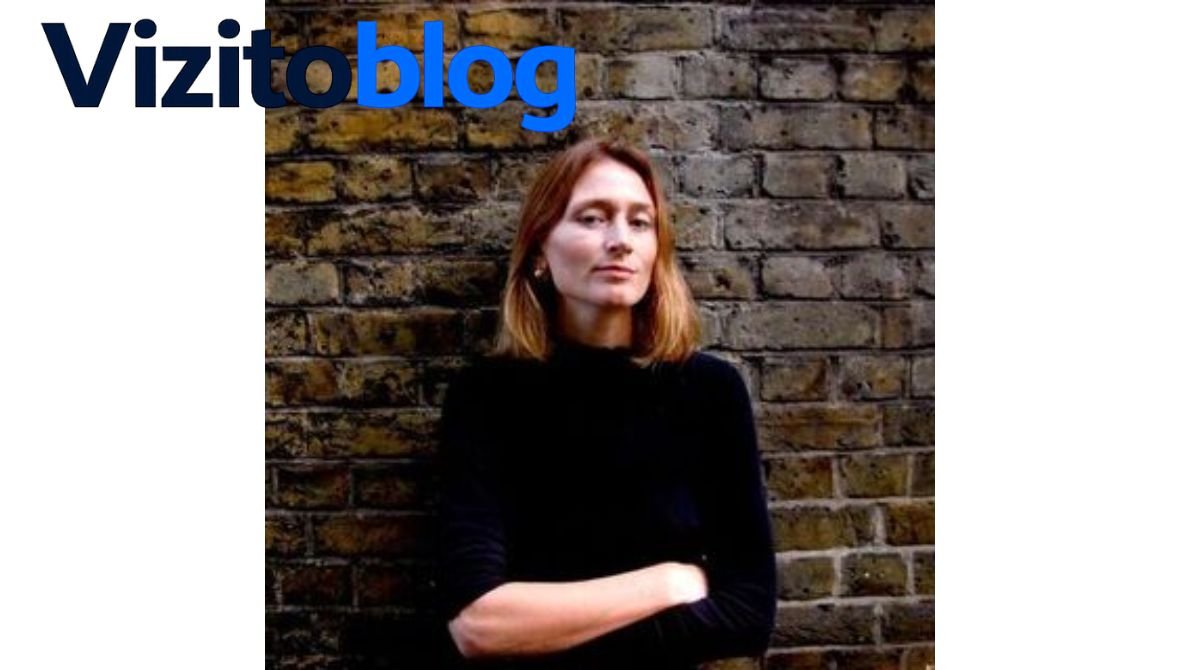
Who Is May Bulman?
What makes a journalist stand out in a crowded news industry? Is it the number of stories they publish or the impact those stories have on people and public debate? For May Bulman, the answer appears to be a combination of persistence, investigative reporting, and a strong interest in social issues. She is a British investigative journalist and editor whose work has focused heavily on migration, human rights, social justice, and other issues affecting marginalized communities. She previously worked as a Social Affairs Correspondent at The Independent and now serves as an Investigations Editor at Lighthouse Reports.
May Bulman and Her Journalism Career
May Bulman has built her career around stories that often involve complicated social and political questions. During her time at The Independent, she reported extensively on immigration, asylum, youth justice, homelessness, prisons, and welfare. These subjects can be difficult to cover because they often involve vulnerable people and complex government policies. Nevertheless, Bulman developed a reputation for pursuing stories that could otherwise receive limited public attention.
For readers who enjoy discovering different stories and perspectives online, Vizitoblog offers another place to explore a wide range of topics and information.
Her Time at The Independent
May Bulman became Social Affairs Correspondent at The Independent in 2017. Before taking on that position, she had already worked with the publication as a freelance reporter. Her role involved covering social justice issues and domestic politics connected to social policy.
Her reporting during this period covered some of the most sensitive issues in British public life. Immigration was one of her strongest areas of interest. She also wrote about youth justice and homelessness. Through these subjects, her work often examined how government decisions affected ordinary people.
A Focus on Migration and Human Rights
One of the most recognizable aspects of May Bulman’s journalism is her focus on migration. Her reporting has examined asylum policies, refugees, border enforcement, deportation, and the experiences of people attempting to build safer lives.
Why does this type of reporting matter? Migration is frequently discussed through statistics and political arguments. However, investigative journalism can bring attention back to the individuals behind those numbers. Bulman’s work has often explored that human side while also examining the systems and policies surrounding migration. Journalismfund Europe describes her as specializing in reporting on marginalized groups and notes her recognition for reporting on asylum and migration.
Investigating Modern Slavery
Another important part of May Bulman’s career has been her reporting on modern slavery. Her work in this area has earned professional recognition and helped establish her reputation as an investigative journalist.
She won the Anti-Slavery Day award for Best News piece in both 2017 and 2019. These awards highlight the significance of her reporting on issues connected to exploitation and vulnerable communities.
Modern slavery can be difficult to investigate because victims may be afraid to speak openly. Journalists covering the subject therefore need patience and careful research. Bulman’s work demonstrates how reporting can draw attention to problems that are often hidden from everyday public view.
Recognition for Investigative Reporting
May Bulman’s journalism has also received recognition beyond the Anti-Slavery Day awards. She was shortlisted in the Specialist category at the 2019 British Journalism Awards. She also came runner-up for Investigative Journalism at the Drum Online Media Awards for her refugee coverage in 2017.
These achievements are important because investigative journalism requires more than simply reporting what happened. It often involves finding documents, speaking with sources, checking claims, identifying patterns, and presenting complicated information in a way that readers can understand.
A Reporter Who Examines Government Decisions
Some of May Bulman’s reporting has explored the impact of government decisions on individuals. In a 2019 article for The Independent, she described cases in which stories about immigration decisions were followed by changes from the Home Office. She used these experiences to raise broader questions about how official decisions are made and why media attention can sometimes affect individual cases.
This kind of reporting shows an important role of journalism. A journalist does not simply tell readers what happened. Investigative reporting can also question whether systems are working as they should.
Her Work on Youth Justice
May Bulman’s interests have not been limited to immigration. Her work has also covered youth justice and the treatment of children within the criminal justice system. Her reporting has examined questions surrounding the age of criminal responsibility and the way young people interact with the justice system.
This is another example of her broader approach to social affairs reporting. Instead of focusing only on political headlines, she has explored how policies can affect people at different stages of their lives.
Moving Into Investigative Editing
After her time at The Independent, May Bulman moved into a broader investigative role at Lighthouse Reports. She is now an Investigations Editor at the collaborative investigative newsroom. Her work there involves coordinating teams of journalists and producing investigations that can appear across international media outlets.
The move represents an interesting progression in her career. Instead of working only as an individual reporter, her current position allows her to help shape larger investigations involving multiple journalists and organizations.
What Is Lighthouse Reports?
Lighthouse Reports is a collaborative investigative newsroom that works with media organizations around the world. Its projects often involve complex investigations that cross national borders or require journalists from different countries to work together.
For May Bulman, this environment fits naturally with her experience. Migration and human rights issues rarely stop at one country’s borders. Therefore, international collaboration can help journalists understand how policies and systems operate across different regions. Her current role reflects that wider approach to investigative reporting.
May Bulman’s Educational Background
Public professional information lists May Bulman as having completed a Newspaper Journalism MA at City, University of London between 2015 and 2016. It also lists an English and French BA from the University of Southampton between 2011 and 2015.
Her academic background provides an interesting foundation for her career. Studying English and French alongside journalism would have given her a strong combination of language, communication, research, and writing skills. Those abilities are particularly useful in investigative journalism where understanding sources and presenting complicated subjects clearly are essential.
Why May Bulman’s Work Stands Out
So, what makes May Bulman’s journalism interesting? One answer is consistency. Across different positions, her work has repeatedly returned to issues involving people who may have limited influence over political decisions.
Her reporting has looked at refugees, asylum seekers, prisoners, young people, homeless communities, and other marginalized groups. Rather than treating these subjects as simple political talking points, investigative journalism can explore what policies actually mean for the people experiencing them.
Her Approach to Investigative Journalism
Investigative journalism requires curiosity. A journalist must be willing to ask another question when the first answer does not explain everything. They must also verify information carefully and understand the wider context.
May Bulman’s career reflects this approach. Her reporting has frequently involved sensitive subjects where facts, government policy, and individual experiences intersect. That combination makes her work relevant not only to news readers but also to people interested in how public institutions operate.
May Bulman in Recent Journalism
May Bulman’s work has continued into technology and migration-related investigations. In 2026, WIRED described her as an award-winning investigative journalist specializing in migration, human rights, and the growing role of technology in border enforcement. The publication also identified her as an editor at Lighthouse Reports.
This area of journalism is becoming increasingly important. Governments and border authorities are using technology in ways that can influence immigration decisions. As technology becomes more deeply connected with public policy, investigative reporting can help examine how these systems work and whether they produce fair outcomes.
What Can We Learn From Her Career?
May Bulman’s career offers an interesting example of how journalism can develop over time. She started with reporting experience and eventually moved into specialist social affairs journalism before taking on an investigative editing role.
Her journey also shows the value of developing expertise. Instead of covering every possible topic equally, she built strong knowledge around migration, social justice, human rights, and marginalized communities. That specialization helped establish her identity as a journalist.
Final Thoughts on May Bulman
May Bulman is more than simply a journalist whose name appears beneath news stories. Her career reflects a sustained interest in difficult social questions and the people affected by them. From her years at The Independent to her current work at Lighthouse Reports, she has focused on investigative journalism involving migration, human rights, modern slavery, youth justice, and other social issues.
Her awards and professional recognition demonstrate the impact of that work. At the same time, her move into investigative editing shows how journalism can evolve from individual reporting into collaborative international investigations. For readers interested in journalism, social affairs, and investigative reporting, May Bulman’s career provides an interesting example of how persistent reporting can bring complicated issues into clearer focus. To explore more informative articles and stories across different subjects, visit Vizitoblog.